
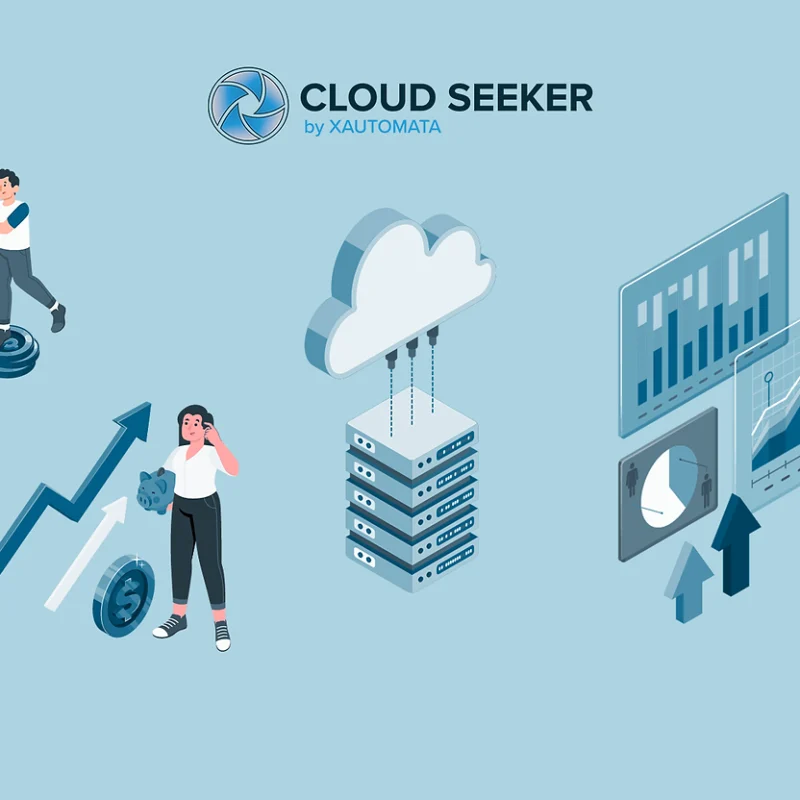
In today’s landscape, characterized by growing complexity and dynamism in IT infrastructures, Cloud Financial Management (CFM) has become a crucial element for companies looking to maintain rigorous control over their costs and optimize the use of cloud resources. But what exactly does Cloud Financial Management mean, and why is it so fundamental?
What is Cloud Financial Management?
Cloud Financial Management is a set of processes and tools that enable companies to manage, monitor, and optimize the costs associated with cloud usage. It includes expense analysis, future cost forecasting, resource allocation, and the definition of appropriate budgets to ensure that cloud investment is efficient and sustainable.
Why is Cloud Financial Management Essential?
- Cost Optimization: One of the primary goals of CFM is to avoid waste and excessive consumption. Through continuous monitoring, companies can identify areas of inefficiency and make timely adjustments to reduce operational costs.
- Accurate Expense Forecasting: By analyzing historical data and usage trends, CFM enables more precise prediction of future expenses, facilitating financial planning and budget allocation.
- Resource Management: With CFM, companies can allocate resources more effectively, ensuring that every department or project has access to the resources it needs without exceeding established budget limits.
- Support for Strategic Decisions: The data collected and analyzed through CFM provides valuable insights that support strategic decision-making, enabling companies to invest in the most appropriate cloud technologies and plan future growth with greater confidence.
How to Implement Effective Cloud Financial Management
Using Advanced Monitoring Tools
To implement effective CFM, it is essential to use advanced tools that enable continuous monitoring of costs and resources in use. These tools offer detailed dashboards and reports that help better understand where funds are being spent and how to optimize cloud resource utilization.
Training and Awareness
Ensuring that all members of the organization – especially those making decisions in IT and finance – are trained on CFM best practices is key. Widespread awareness within the company is fundamental to ensuring that cloud financial management practices are followed correctly.
Implementing Governance Policies
Establishing clear and rigorous policies for cloud cost management, including spending limits, approval processes, and continuous monitoring. Governance policies help maintain control and prevent unauthorized or excessive spending.
Periodic Review and Optimization
CFM is not a static process. It is important to carry out periodic reviews to analyze data, evaluate performance, and apply the necessary optimizations. This iterative approach ensures that companies can adapt quickly to changes and maintain optimal cost control.
Investing in the Future with Cloud Financial Management
Choosing a cloud cost control platform that integrates with major hyperscalers – such as AWS, Azure, and Google Cloud – is a strategic decision that offers numerous advantages:
- Unified Visibility: An integrated platform provides a consolidated view of spending and resource usage across different cloud providers, simplifying monitoring and analysis.
- Automation of Best Practices: These platforms often include automation features that automatically apply cost management best practices, such as shutting down unused resources and optimizing instances.
- Detailed Reporting: With interactive dashboards and detailed reporting, it is possible to gain in-depth insights into usage patterns and costs, facilitating informed and timely decisions.
- Forecasting and Planning: By integrating with major hyperscalers, these platforms can use historical data to predict future costs and assist in budget planning, improving accuracy and reducing surprises.
- Security and Compliance: Integrated cloud cost control platforms often offer advanced security and compliance features, ensuring that spending is not only optimized but also compliant with corporate and legal regulations.
Investing in a cloud cost control platform that integrates with major hyperscalers will not only improve your operational efficiency, but will also help build a solid foundation for future growth – ensuring that resources are used optimally and costs are kept under control. With a strategic approach to Cloud Financial Management, your company will be well positioned to make the most of the advantages of the cloud, while maintaining financial sustainability.


